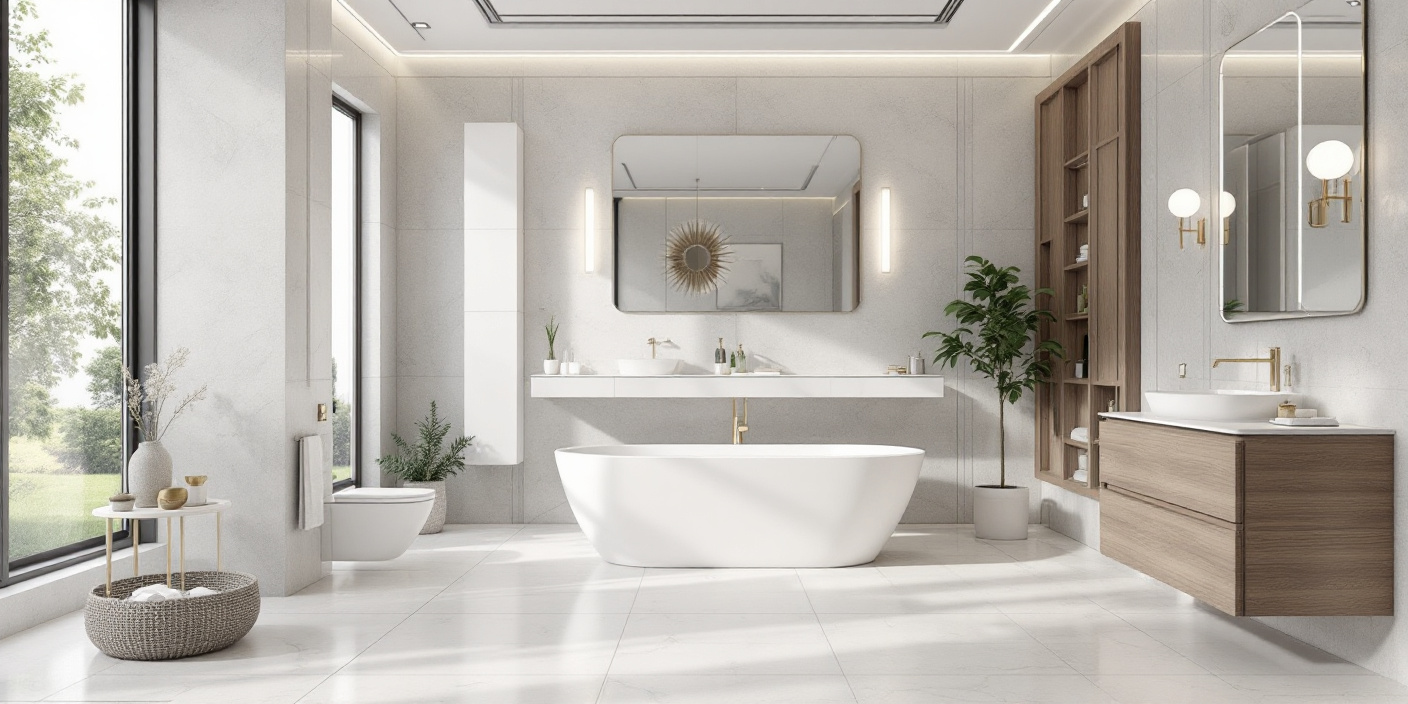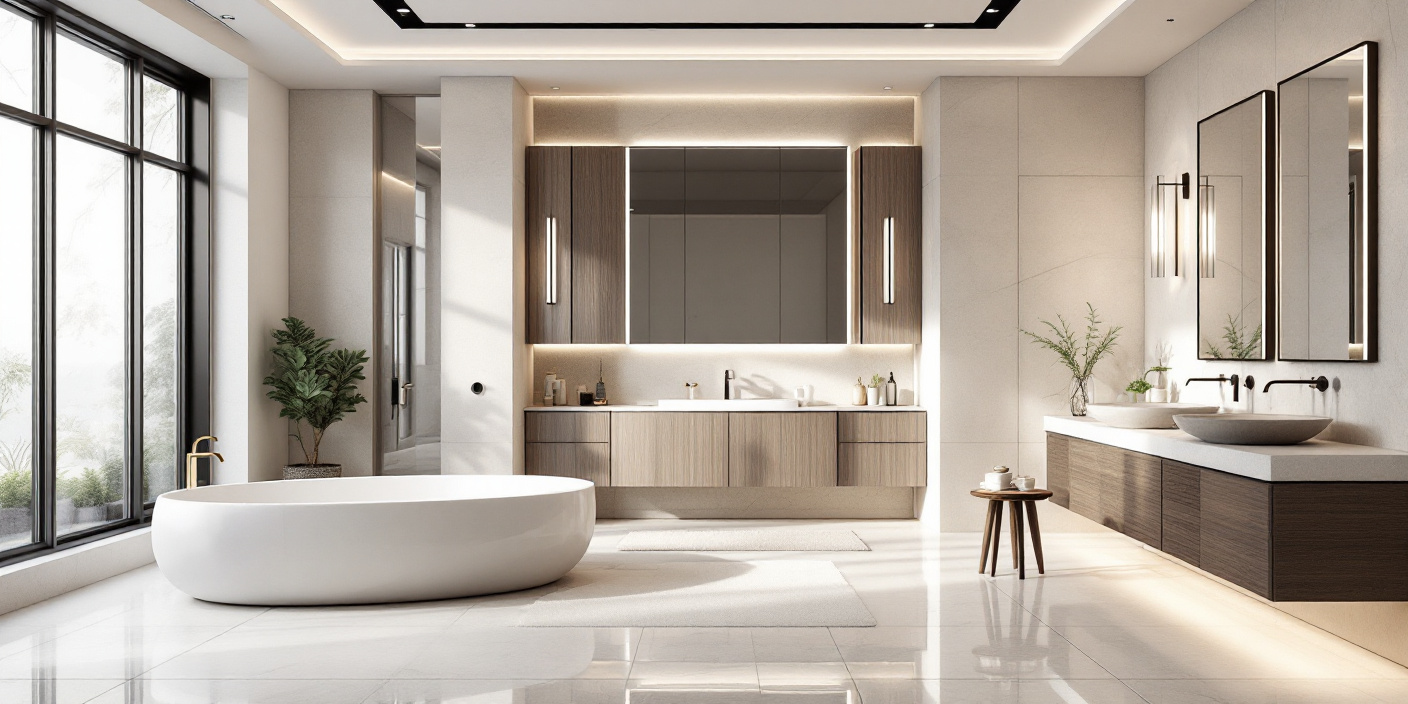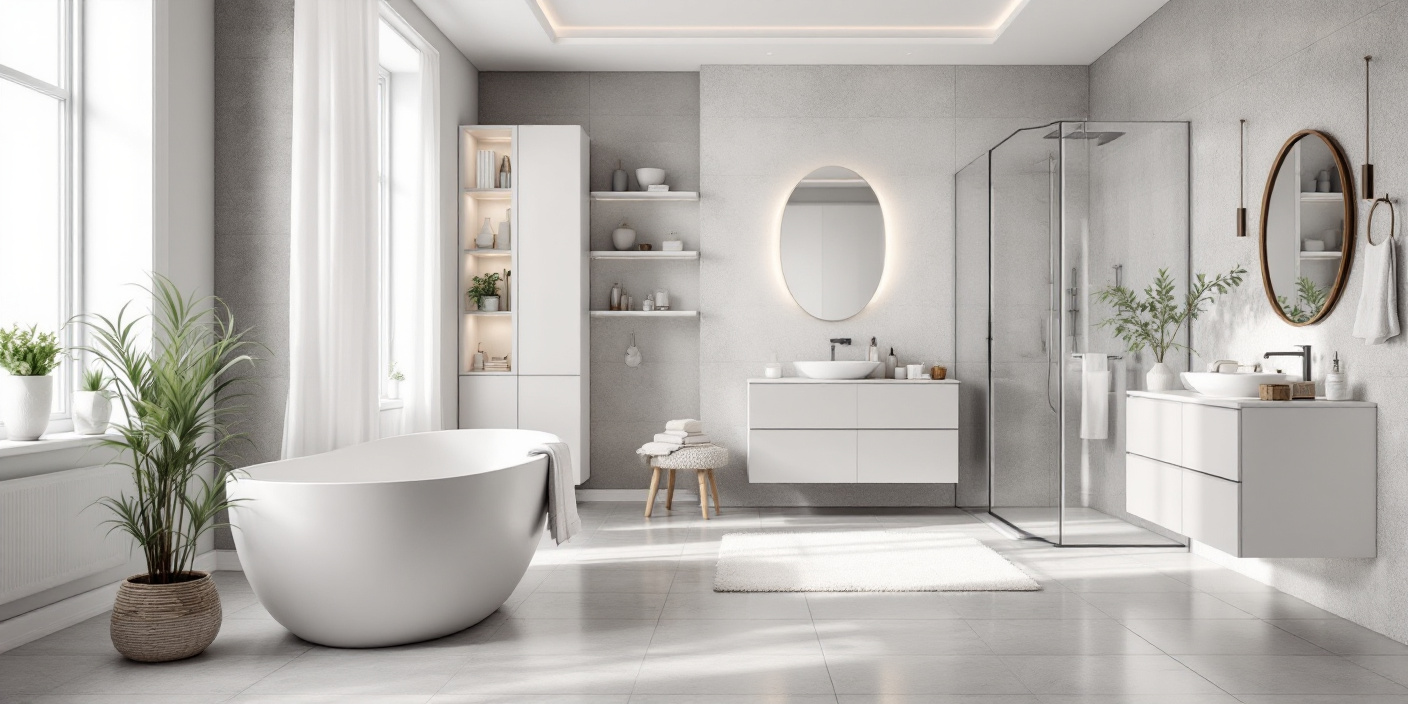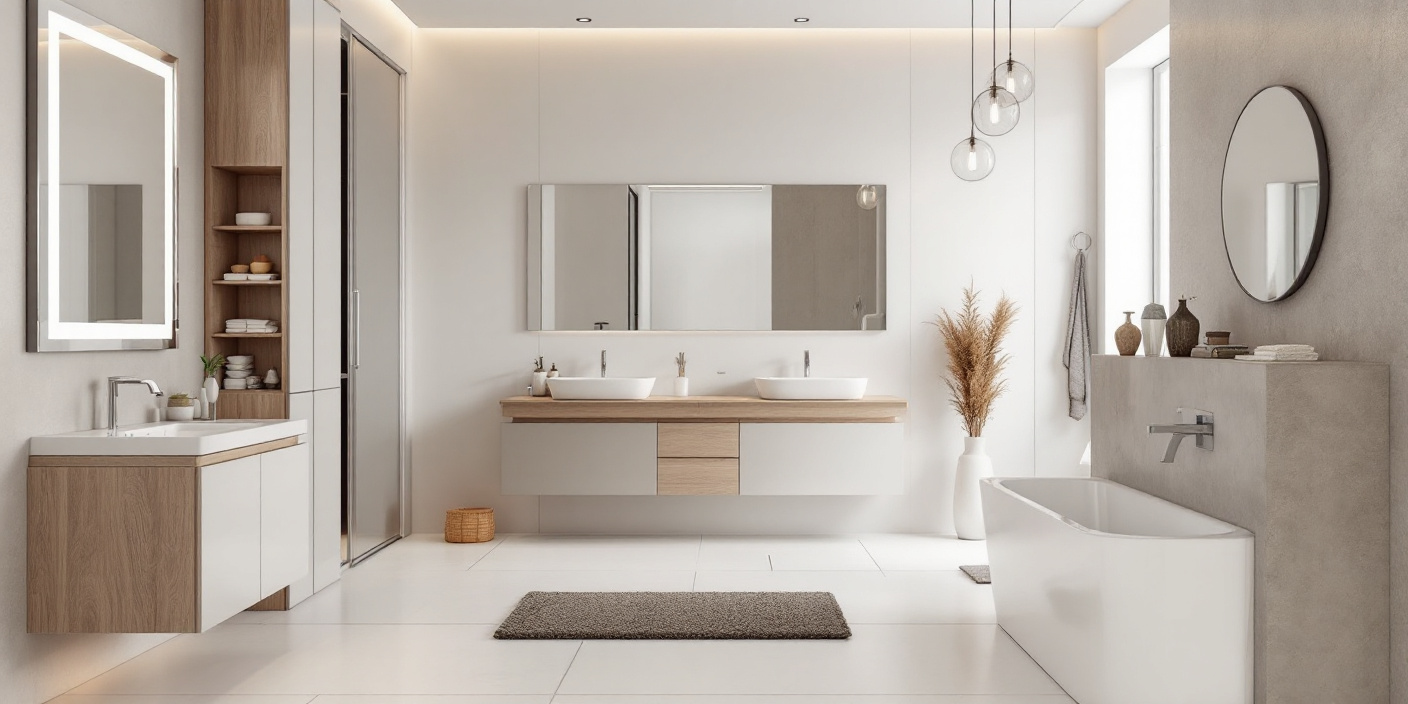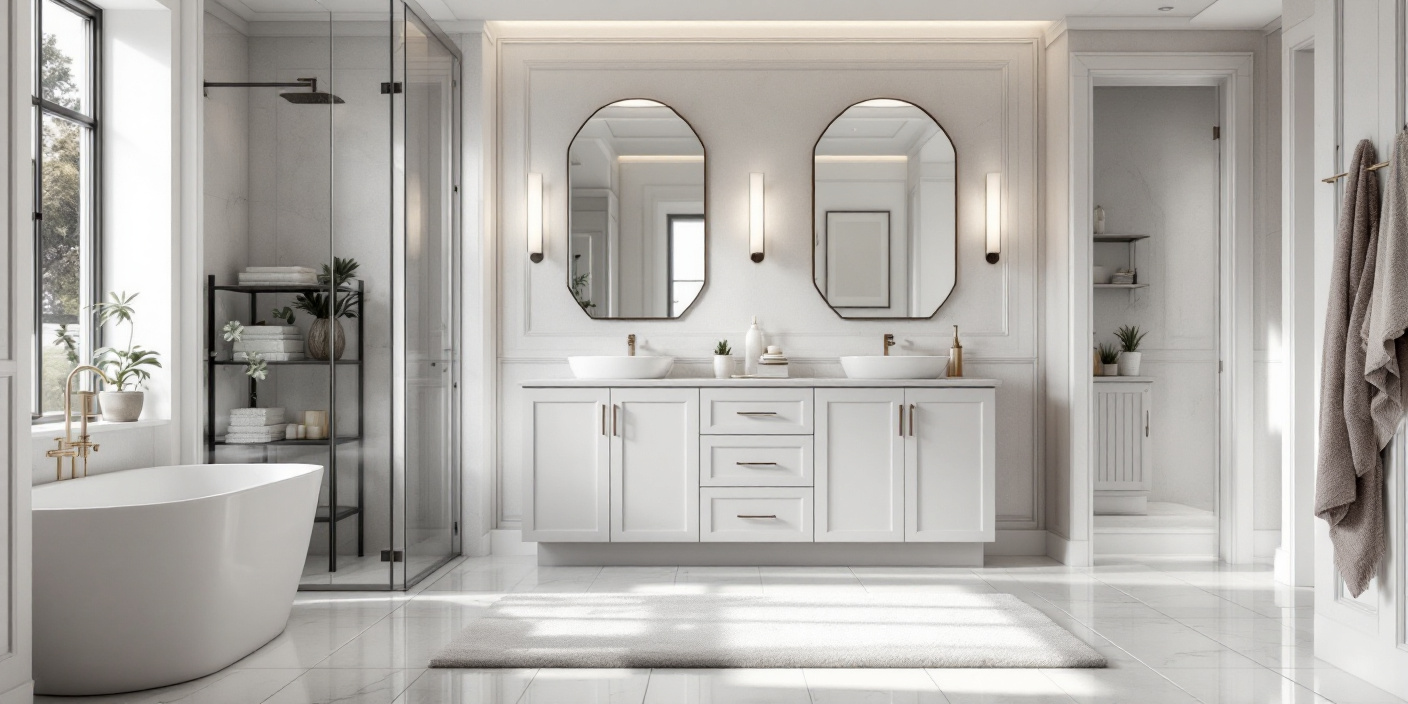

Considering the original mass produced baths were apparently converted horse troughs, it is probably fair to say they have come a long way since then. Freestanding baths evolved with a luxury tag attached to them, but now, the market seems to be doing well for a number of reasons, including the wide choice available to all levels of the market.
As Nick Platt, bathroom category manager for Moods Bathrooms, explains: “The freestanding bath market is a growing market and sales have fared well over the last couple of years. Once a luxury item, only afforded by a niche market, continuous advancements in the manufacture of freestanding tubs mean that the consumer now has a wide choice of affordable, high quality mainstream models.”
Marketing controller of B.C Sanitan, Nick Richards adds: “Freestanding baths are now very much a timeless classic that will never go out of fashion. Consumers have been opting for freestanding baths over other models not only because of the boastful stylish aesthetics, but also because of the comfort and luxury that is also attached. One of the reasons that freestanding baths remain so popular is because of the sense of grandeur that is introduced with the size and appearance of the tub.”
Finding space
Typical British bathrooms aren’t normally known for their spaciousness or grandness. As Darren Paxford, technical manager of Vitra, explains: “Bathroom space – floor area – is a crucial factor in choosing a freestanding bath. Plumbing and water supply has to be re-organised and the freestanding bath generally requires floor space on all, or at least three sides.” Yet this hasn’t seemed to have affected sales of freestanding baths, which ultimately, require some element of space.
However Claire Surplice, retail channel manager of ldeal Standard, explains: “Freestanding baths can be easily fitted into today’s average UK bathroom. Contrary to popular belief they do not have to be the centrepiece of the bathroom and can lookjust as good placed beside a wall or in an alcove. ln fact, they can actually make a major contribution to the illusion of space in a bathroom, as the absence ofa bath panel exposes the floor: A new generation of contemporary shapes and water saving options is now on the market and the freestanding bath is becoming more than just a vintage throwback, it is a bath for modern times.”
Bathroom to bedroom
Recent trends within boutique hotels have seen baths move out of the bathroom and into the bedroom. As jonathan Carten marketing manager of Victoria + Albert Baths, comments: “There is a definite trend for baths to break out of the bathroom!
This started in boutique hotels and is now increasingly popular with consumers. lt fits perfectly with the idea of the bath as more than just a practical device to get clean in – it is an item of indulgence, relaxation and of course beauty, so even when not in use it’s adding architectural interest to the interior space.”
But, the idea ofa bath within the bedroom hasn’t proved as popular as originally anticipated. Some consumers still seem to want the privacy and sanctuary feeling a separate bathroom provides. Samantha Wake, Bette UK sales and operations managen explains: “Although some consumers like the idea of a bath in a bedroom, the practicalities of achieving this can be off-putting. Also, although a bath in a bedroom in a boutique hotel might be fun, people still tend to want privacy in their bath at home.” And Lois Paffett, marketing manager for Kaldewei agrees, adding: “Although this l was a trend that began to emerge, we haven’t seen it take i off in the way it was expected.
People prefer to keep their baths y separate to the bedroom to ¤ create a feeling of a sanctuary.”
An individual purchase
Regardless of which room in the house its destiny lies, a freestanding bath still seems to be considered as an individual purchase, rather than as part of a bathroom suite. The freestanding bath is designed to be a statement, and while consumers still want it to complement the rest of the bathroom, complete coordination doesn’t seem to be top priority.
Jonathan Carter of Victoria + Albert, explains: “We’ve noticed that over the past decade consumers have an increased design confidence which helps them to eclectically mix and match beautiful items. Similarly to the living room where the days of matching cushions, curtains and pelmets is long gone, the bathroom now also has a more mature and sophisticated language of design.”
And Sally Cutchie, designer for C.P Hart, adds: “Consumers tend to see the bath as a separate entity to the basin and WC. It is always important for the elements to work together but often it is the bath that the client chooses first and then the other pieces follow.”
A developing future
Encouraging consumers to trade up should be relatively easy, given the new developments and designs entering the market. Manufacturers are not only providing personalisation options, but new materials and technologies are providing freestanding baths with a range of benefits for the consumer Limestone Gallery has recently launched the Trio bathtub, which comes in three separate sections to make it easier to manoeuvre, and Cabuchon Bathforms have introduced a bath with seating.
Designs are set to become more and more functional and visually striking, with chromotherapy and remote controlled functions all taking a leap forward into the freestanding bath world. lndustry experts have high expectations for the market, and are encouraging retailers to explain the benehts, as well as emphasise quality and the fact that it is an investment to clean up in this market. As Jacuzzi’s Nick Richards concludes: “More emphasis needs to be put on quality. Freestanding baths are designed to be the focal point of the bathroom. A freestanding bath should be seen as an investment.”